S4IF Launched its Community of Practice Webinar Series with Global Participation from the Energy Sector
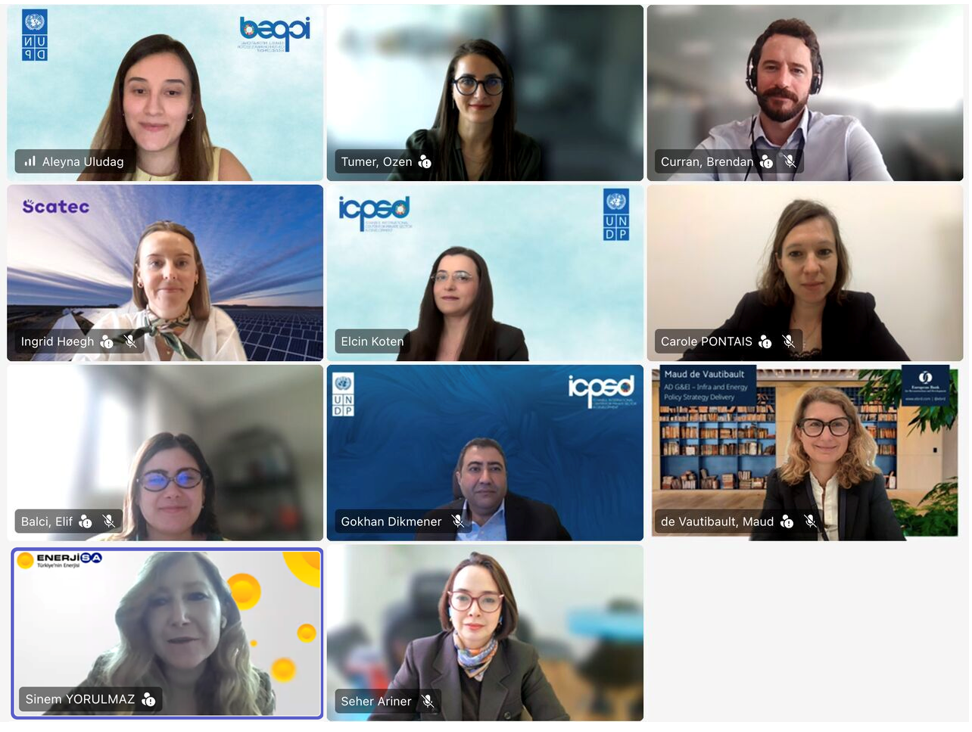
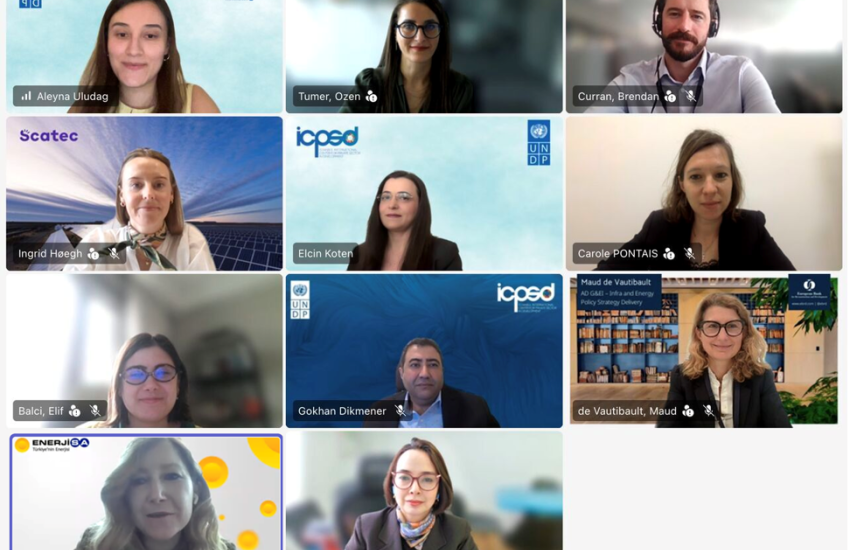
Online, 9 April 2026 — The Skills for an Inclusive Future (S4IF) Network launched its Community of Practice Webinar Series with the first session titled “Powering the Future: Accelerating an Inclusive Energy Transition through Green & Digital Skills.”
Hosted online, the webinar brought together public and private sector actors, international organizations, and industry leaders to explore how inclusive skills development can support the green and digital transition in the energy sector.
Opening the session, Maud de Vautibault, Head of Inclusive Infrastructure, Gender and Economic Inclusion at EBRD, emphasized the urgency of collective action to meet future skills demands and ensure equal access to training opportunities.
This call for collaboration was echoed in S4IF’s roadmap of inclusive workforce development consisting 11 strategic guidelines, presented by Dr. Elcin Koten, Knowledge Management Coordinator at UNDP ICPSD. The guidelines outline practical actions for building an inclusive and future‑ready energy workforce, including stronger partnerships, national skills strategies, inclusive approaches, and closer alignment between education systems and labour market needs.
Insights from the Field
Sinem Yorulmaz, People and Culture Lead at Enerjisa Distribution, highlighted the company’s initiatives to upskill employees, attract young women into technical roles, and collaborate with vocational schools across Türkiye.
Moderated by Brendan Curran (Principal, Gender and Economic Inclusion, EBRD), the panel discussion brought global perspectives from Moldova, Tunisia, Uzbekistan, and beyond. Panel showcased how governments, international organizations and renewable energy companies are investing in local skills, inclusive employment, and education partnerships to support clean energy expansion. Examples ranged from solar workforce training for women in Brazil, to university partnerships in Uzbekistan, to multi‑stakeholder capacity‑building efforts in Moldova’s just energy transition programme.Seher Ariner, Deputy Resident Representative at UNDP Moldova, described how Moldova turned an energy crisis into a push for clean energy. The country has expanded renewables, trained energy auditors, and built new programs for local authorities while putting vulnerable households first.
Ingrid Høegh, Sustainability Advisor at Scatec, shared how the Norwegian renewable energy company trains local workers, including women, near its project sites. In Brazil, 120 women were trained as solar module assemblers, with 76% still working in the energy sector 20 months later. Similar programmes are now being developed in Tunisia and Romania.
Carole Pontais, Country Manager of Voltalia Uzbekistan, explained how the company partnered with a local university to create a renewable energy curriculum aimed at building a pipeline of graduates ready to maintain solar and wind projects.
Panelists shared practical lessons on:
- Addressing workforce shortages in emerging renewable energy markets
- Embedding inclusion into project design to support women and youth
- Building long‑term partnerships with local universities and training institutes
- Developing community‑based workforce pipelines for remote project sites
What’s Next
In closing remarks, both EBRD and UNDP reaffirmed their commitment to expanding the Community of Practice and supporting countries and companies through S4IF Network.
“We look forward to seeing many more companies join and benefit from S4IF’s practical tools that are scalable and replicable across sectors and regions. We hope this conversation will inspire further action that is impactful and rooted in strong collaboration across the energy sector and beyond.”
— Ozen Tumer, Principal Lead for Türkiye, Gender and Economic Inclusion, EBRD
The S4IF Network will continue its Community of Practice webinar series. Started with green and digital skills development in the energy sector, the series will cover sectors and thematic areas worldwide, reflecting S4IF’s global, cross‑sectoral approach to inclusive skills development.
The research report, including the 11 strategic guidelines and skills gap analysis for Türkiye’s energy sector, will be published shortly.